
It’s 2 a.m. A pipe is leaking above a patient care area, and the technician on call needs to find the right shutoff. The drawing points to a valve that was moved during a renovation. The one person who knows where it ended up retired last month.
So who gets the call now?
Most healthcare facilities teams can immediately name the person they would regularly call in that situation. The engineer who remembers when the hospital added its surgical wing. The technician who knows which rooms a shutdown will affect. And that knowledge took years to build. So unless the organization gives people time to pass on their expertise, or a reliable place to store their knowledge, much of that expertise leaves the organization when they do.
The silver tsunami is already here
Baby boomers are rapidly leaving the workforce, a demographic shift often called the silver tsunami. In a 2023 American Society for Health Care Engineering (ASHE) member survey, 35% of respondents said they planned to retire within five years. Of those, 56% held director-level roles.
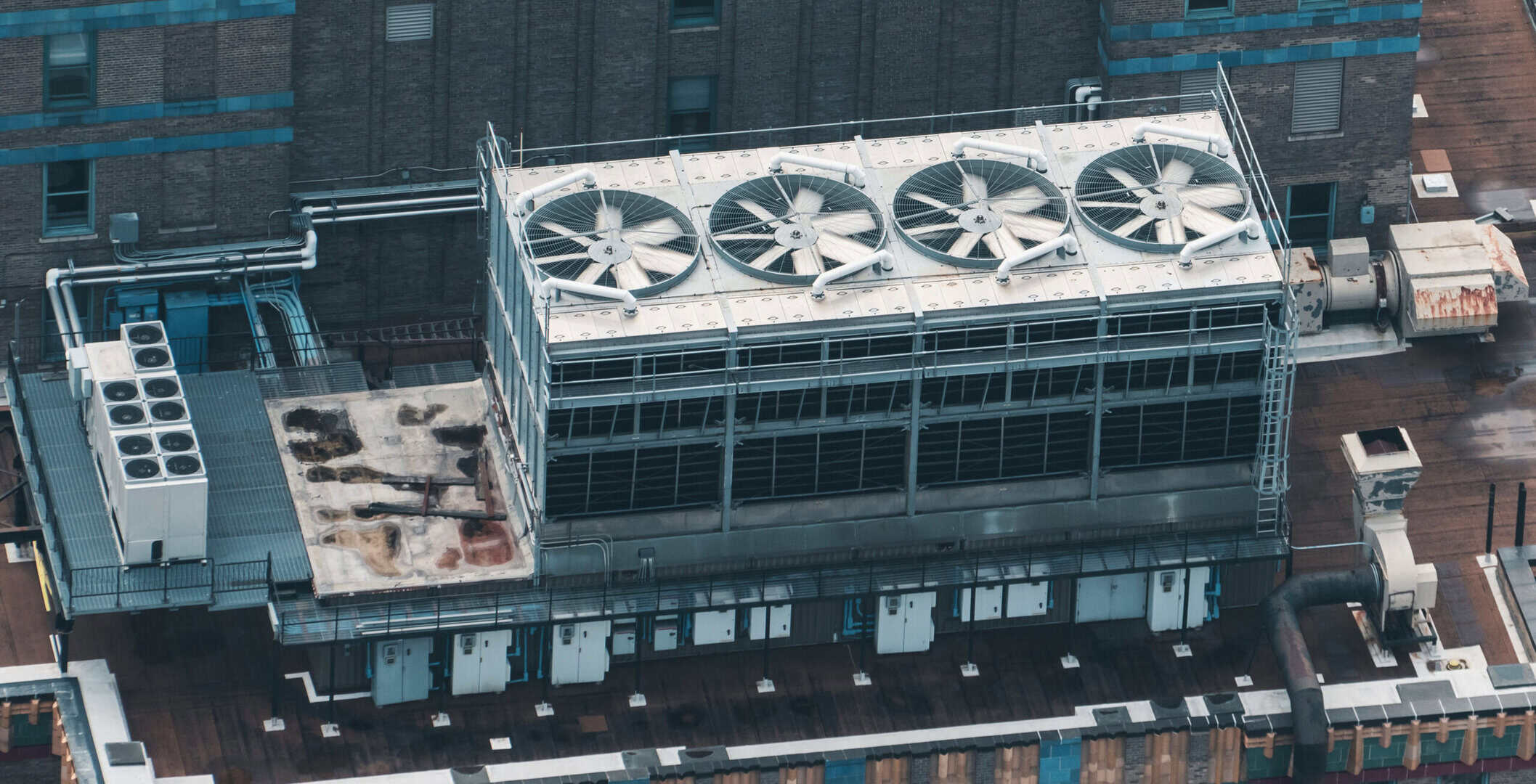
Those retirements come as many teams are maintaining older buildings. In ASHE’s 2024 Hospital Operations Survey, well over half of the more than 430 facilities managers and executives surveyed oversaw at least one facility more than 50 years old.
After decades of renovations and repairs, the drawings may no longer match the building. A veteran technician may be the only person who knows where a utility line was rerouted or which patient rooms a shutoff valve serves. When that person retires, the next team may have to reconstruct that history during a renovation or an emergency, when a delay can disrupt patient care.
Four ways to keep facilities knowledge in the building
1. Start with the systems you’d need in an emergency.
Ask the on-call team which information would be hardest to find during a leak, a power interruption, or a fire alarm impairment. Use their answers to decide what to digitize first. Start with the drawings and records for those systems, then index them by campus, building, floor, and system so staff can find them under pressure. Keep older versions labeled and make the current record easy to identify.
2. Give experienced staff time to show someone what they know.
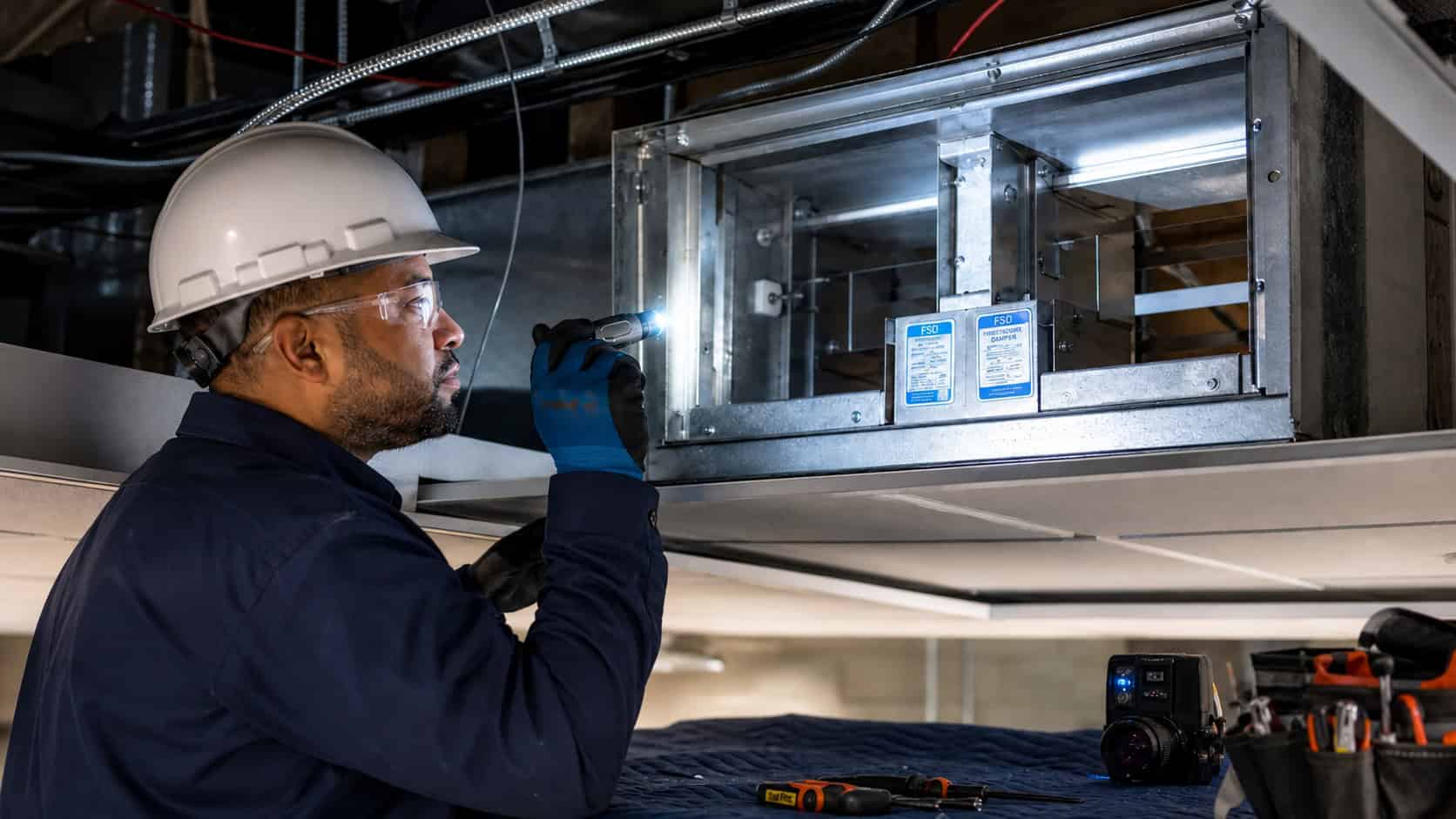
Pair a veteran technician or engineer with a designated backup and put the walkthrough on the schedule. Ask specific questions as they go. What changed here? Which rooms does this equipment serve? Where would a new technician look first, and what might they miss? Capture the answers in annotated drawings, photos, or short videos tied to the equipment or location. Then have the backup lead the next walkthrough and explain what they’d do.
3. Give the records a home and an owner.
Use a shared, searchable location where authorized staff can find current drawings, equipment records, and emergency procedures. L&R’s Marshall gives facilities teams a central place to store and quickly find drawings and other facility documents, even after the people who know them best retire. Also, assign someone to maintain those records and make updates part of project closeout and in-house changes. If two drawings disagree, flag the discrepancy so the next person knows what still needs to be checked.
4. Verify what matters in the field.
Have qualified staff or project partners confirm critical conditions before the team relies on an old drawing or someone’s recollection. A walkthrough may be enough to confirm an equipment location. A renovation with uncertain utility routes may call for a more detailed investigation or laser scanning to document accessible conditions. Record what was verified, when it was checked, and what remains unknown.
What you can do in the next 90 days
- Days 1–30 | Find the gaps. Pick one building or critical system. Ask the day and night crews what they routinely call someone else to find. Identify missing or conflicting records and name a backup for the person everyone calls.
- Days 31–60 | Capture and verify. Walk the system with the people who know it best. Digitize the records they actually use, check the most consequential gaps in the field, and put the verified information where the team can find it.
- Days 61–90 | Test the handoff. Run a tabletop exercise with the backup or night-shift team. Can they pull up the current drawing, locate the relevant control, explain which areas it serves and identify who needs to be notified? Fix whatever slowed them down and use what you learned to set a standard for the next system.
Start with one question at your next facilities huddle. What is something about our facility that only our most senior team member knows? The answer will tell you what to capture first.