A proactive roof management program is essential to maintaining a safe and reliable healthcare environment.
And in healthcare facilities, roof maintenance is about more than preventing leaks. A deteriorating roof can compromise patient safety, damage expensive medical equipment, create infection prevention concerns, and disrupt critical hospital operations.
For facilities directors and plant operations teams, effective roof management begins with preventive maintenance, routine inspections, and accurate documentation.
PREVENTIVE MAINTENANCE: YOUR FIRST LINE OF DEFENSE
A comprehensive roof management program should include periodic inspections, preventive maintenance, and timely corrective repairs.
Industry guidance recommends inspecting roofs at least twice annually, generally in the spring and fall, and following significant weather events.
Routine inspections should identify damaged roof membranes, deteriorated flashing, clogged drains, standing water, and potential leaks around rooftop mechanical equipment.
Addressing these issues early can extend roof service life and reduce costly emergency repairs.
ROOF LEAKS AND INFECTION PREVENTION
Water intrusion presents significant concerns in healthcare environments. Moisture entering ceilings, walls, and insulation can contribute to microbial growth and potentially impact patient care areas.
Facilities teams should coordinate with infection prevention personnel when leaks affect clinical spaces. Controlling the leak, assessing moisture damage, and implementing appropriate corrective actions are essential.
PRACTICAL ROOF INSPECTION CHECKLIST
Healthcare facilities teams can use the following checklist during routine roof inspections:
Roof Surface and Structural Conditions
☐ Inspect membranes for cracks, punctures, blisters, and open seams.
☐ Check flashing, roof edges, and parapet walls for deterioration.
☐ Identify ponding water, soft areas, and visible damage.
Drainage Systems
☐ Inspect roof drains, gutters, and scuppers for debris.
☐ Verify drainage pathways are clear.
☐ Check overflow drains and drainage outlets.
Rooftop Equipment and Penetrations
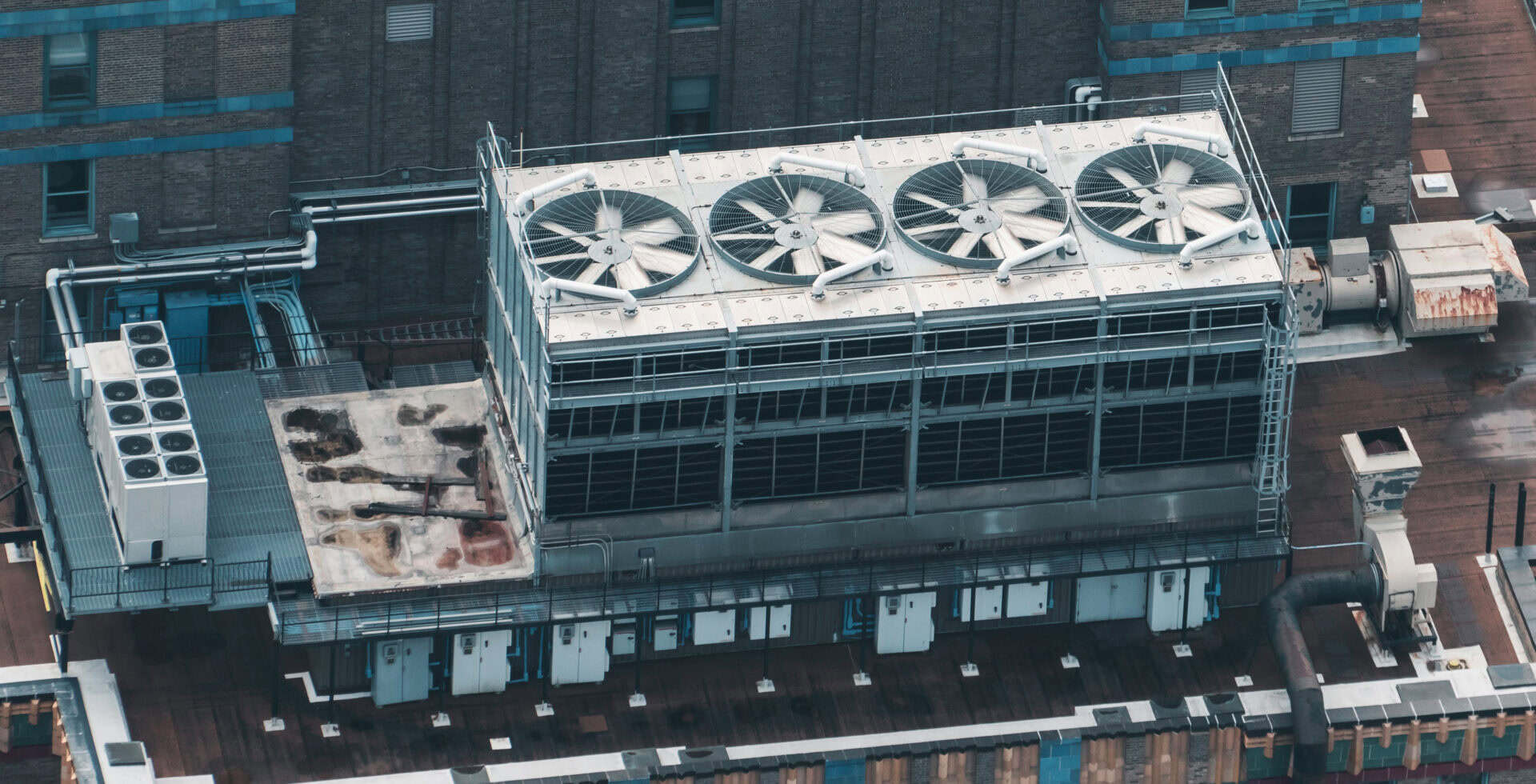
☐ Examine flashing and seals around HVAC units, vents, and piping.
☐ Inspect roof-mounted equipment supports for visible damage.
☐ Check for damage caused by maintenance activities or foot traffic.
Interior Conditions and Documentation
☐ Check ceiling areas for staining, moisture, and evidence of leaks.
☐ Document deficiencies with photographs and locations.
☐ Generate corrective maintenance work orders in the CMMS.
☐ Track labor hours, repair costs, and completion dates.
☐ Verify repairs and close completed work orders.
Safety reminder: Roof inspections should be performed by qualified personnel using appropriate roof access and fall protection procedures. Do not walk on visibly compromised surfaces.
CMMS DOCUMENTATION AND CAPITAL PLANNING
A Computerized Maintenance Management System (CMMS) provides an effective way to schedule roof inspections, track repairs, document labor hours, and maintain maintenance histories.
Facilities should also maintain an inventory of roofing systems that includes installation dates, roof types, warranty information, condition assessments, and anticipated replacement needs.
This information supports long-term capital planning and can help prevent unexpected roof replacement expenses.
THE BOTTOM LINE
A well-maintained roof protects more than the building. It protects patients, employees, equipment, and the continuity of healthcare operations.
By implementing routine inspections, preventive maintenance, and consistent documentation, healthcare organizations can reduce operational risks, extend roofing system life, and protect their facilities.
Remember: The best time to identify a roof problem is before the next storm—and before the next leak.