
If the number one rule in real estate is LOCATION. LOCATION. LOCATION, the key factor in facilities management just may be SPACE. SPACE. SPACE.
That’s why, for many organizations, the decision to digitize their archives often begins with the simple observation that paper takes up too much valuable space. But what many fail to recognize is that the true costs of maintaining paper archives go far beyond square footage. Financial, environmental, and productivity losses add up as well, making paper storage an outdated and expensive burden.
Nowhere is this more evident than in healthcare organizations, where closets stuffed with critical facilities documentation create not only inefficiencies but also risks. Let’s explore why digital archives are more than just a space-saving solution—they’re a transformative approach to modernizing operations.
Financial Costs: The Hidden Price Tag of Paper
Storing physical documents may seem inexpensive, but many ongoing costs go unnoticed. Healthcare facilities, for example, often allocate significant budgets to:
- Storage Infrastructure: Costs for filing cabinets, shelving units, offsite storage, as well as taking up valuable space in the facility all add up quickly.
- Maintenance and Security: Paper documents are vulnerable to damage from water, fire, pests, and even human error. Protecting these archives often involves costly climate control, security measures, and insurance.
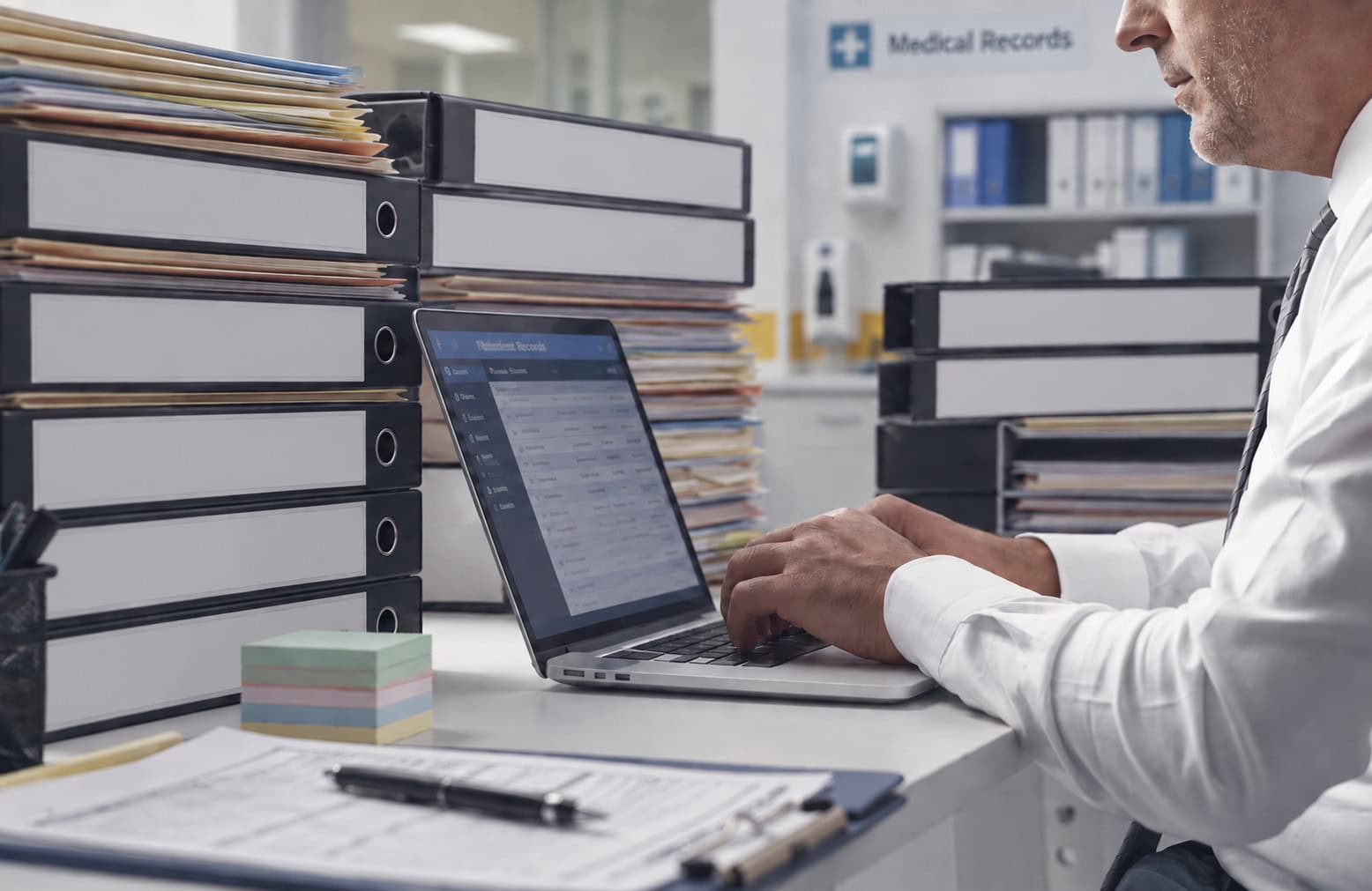
- Retrieval and Labor: Locating a specific document in a vast archive can be a very time-consuming process. Facility operators and administrative staff may spend hours digging through closets or offsite locations, leading to lost productivity. Contrast this with digital archives, where documents can be securely stored and retrieved in seconds, saving both time and money.
Environmental Costs: The Sustainability Challenge
The environmental toll of paper archives is another significant concern. Healthcare organizations—often among the largest paper consumers—can unintentionally contribute to deforestation, energy waste, and landfill overflow. By transitioning to digital archives, organizations can drastically reduce their environmental footprint and align with sustainability goals.
Productivity Costs: The Price of Inefficiency
For facility operators, closets stuffed with documents, like floor plans, equipment manuals, and maintenance logs, can make everyday work a challenge. Consider these common scenarios:
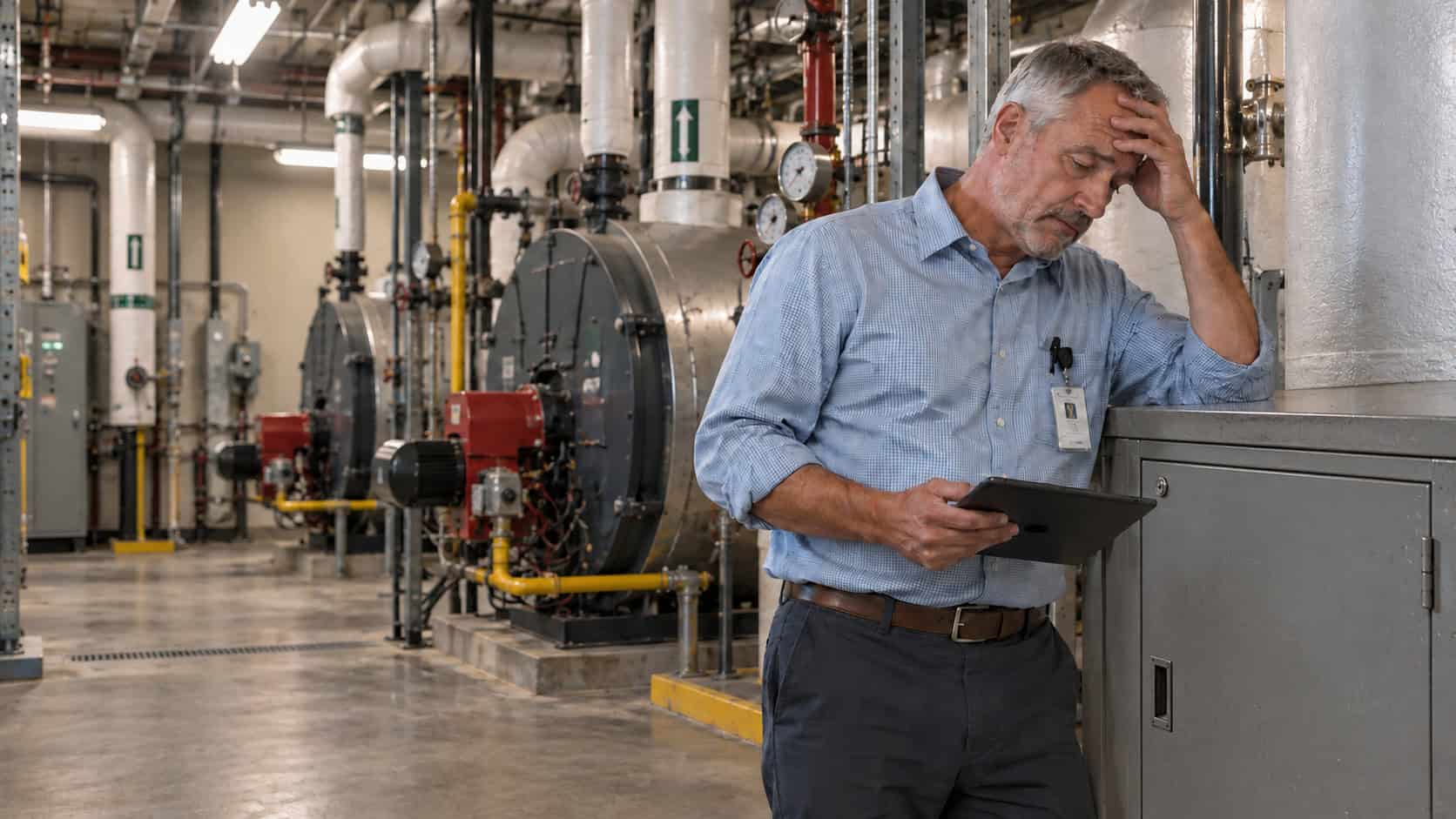
- Delayed Access: When an urgent repair is needed, searching for the correct floor plan or system schematic can waste valuable time. In critical moments, these delays can jeopardize operational continuity.
- Inaccurate Information: Paper archives are often disorganized or outdated, leading to errors and miscommunication. For facility operators, working with incomplete or incorrect information can result in costly mistakes.
- Missed Opportunities: Without easy access to documentation, facility teams miss out on opportunities to proactively manage assets, plan upgrades, or optimize space usage.
Digital archives eliminate these roadblocks by providing a centralized, searchable repository for all critical documents. Facility operators can access the information they need with just a few clicks, improving response times and decision-making.
The Future Is Digital
The costs of paper archives—financial, environmental, and productivity-related—are too high to ignore. By transitioning to digital archives, organizations can unlock significant savings, improve operational efficiency, and contribute to a more sustainable future. For healthcare organizations, this shift is especially critical, as it ensures that facility operators have fast, reliable access to the information they need to keep operations running smoothly.
How L&R OPTIX Can Help
At L&R OPTIX, we specialize in transforming document storage rooms into digital libraries. Using our advanced scanning and organizational technologies, we:
- Collect and Scan: We handle the entire process, from gathering your physical documents to digitizing them with high precision.
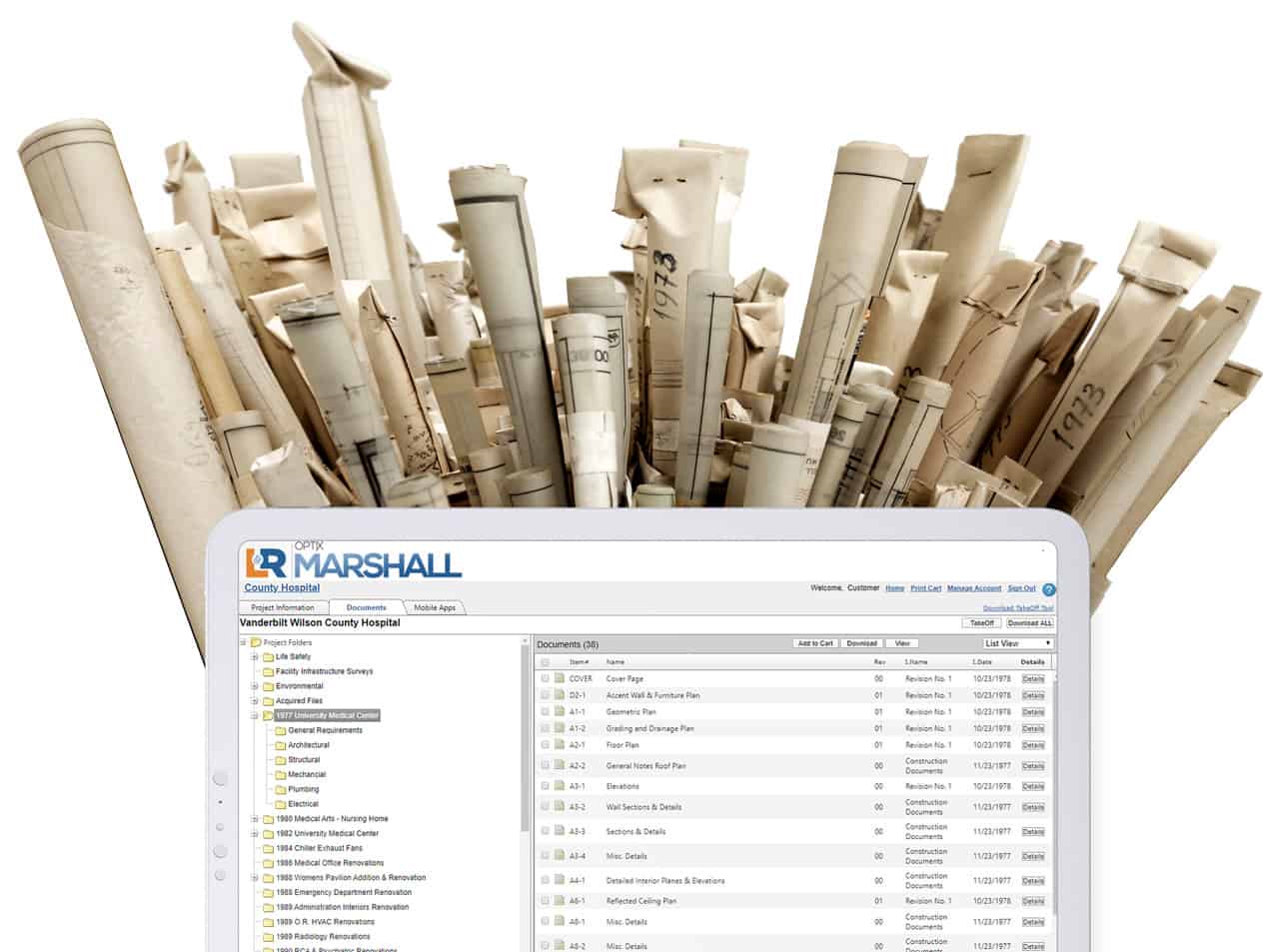
- Organize and Secure: Your documents are organized into a user-friendly digital portal, called Marshall, making retrieval quick and easy.
- Return Safely: Once the digital archive is complete, we return your physical files for archiving as you see fit.
Whether it’s a healthcare facility looking to streamline operations or any organization seeking to reduce costs and environmental impact, our solutions offer a smarter way forward.