

Hospital life safety compliance is rarely one-size-fits-all. Many healthcare facilities operate in buildings that have expanded, renovated, or evolved over decades, creating situations where strict application of a single code requirement may not always be practical. That’s where building equivalencies become absolutely critical.
When properly approved and documented, building equivalencies allow hospitals to meet the intent of fire and life safety standards through alternative methods that provide an equal or greater level of protection. Far from being exceptions or shortcuts, equivalencies are recognized compliance pathways that help organizations maintain patient safety, support aging infrastructure, and align state and federal regulatory requirements.
Understanding how equivalencies work—and when they can be used—is essential for facilities leaders, safety professionals, and anyone responsible for maintaining a compliant healthcare environment.
What Are Building Equivalencies?
In the regulatory environment, an “equivalency” refers to an alternative code, method, or building feature that provides protection equal to or greater than what is required in a national standard like the NFPA 101 Life Safety Code.
CMS permits hospitals to rely on a state fire/life safety code if it has been formally recognized as offering equivalent or greater protection compared to NFPA 101—but only when CMS has issued official approval for that state code.
This is not a relaxation of safety expectations. It is an acknowledgement that some state codes—developed with local conditions and healthcare environments in mind—can meet or exceed national standards while still ensuring robust patient and building safety.
Why Equivalencies Matter in Hospitals
1. Supporting Patient and Staff Safety
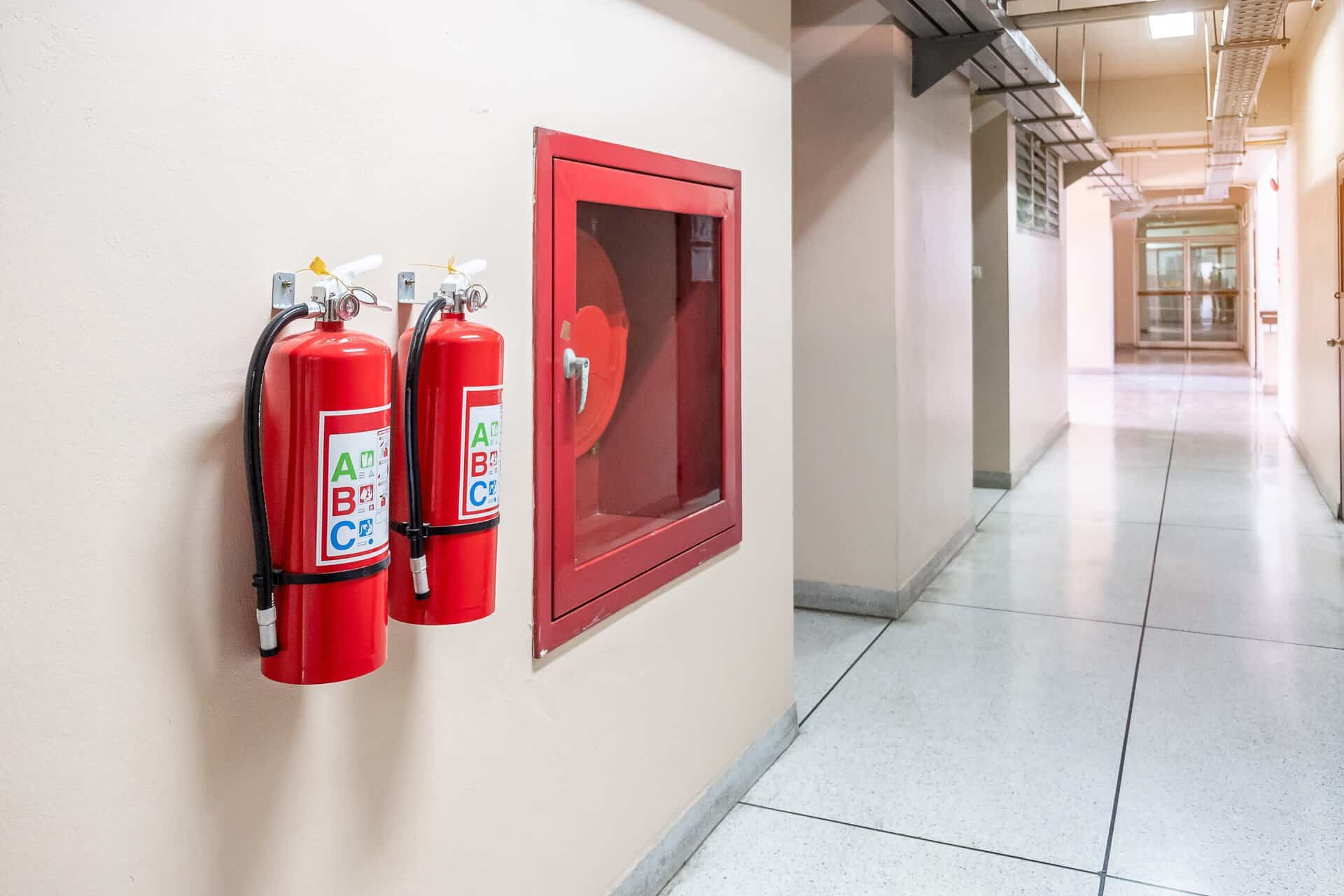
Every hospital must maintain an environment capable of withstanding fire, smoke spread, and emergency conditions. Adhering to approved equivalencies ensures that life safety features—such as fire barriers, egress routes, and alarm systems—are held to the same performance expectations as those under NFPA 101.
This protects:
- Patients, who may have limited mobility
- Staff, who rely on predictable safety systems during emergencies
- Visitors, who depend on clear and protected exit paths
2. Allowing Flexibility in Unique or Older Facilities
Many hospitals operate in aging infrastructures that were not originally built under modern codes. Building equivalencies allow facilities to apply alternative approaches that still achieve the required level of protection—crucial for:
- Historic campuses
- Rural hospitals
- Specialty units with structural constraints
3. Ensuring Compliance Without Unnecessary Financial Burden
Strict, literal compliance with every NFPA requirement may be impractical in certain constructed environments. When an approved state code already meets or exceeds NFPA protections, equivalencies prevent hospitals from spending unnecessary capital on redundant upgrades without compromising safety.
4. Aligning State and Federal Regulatory Expectations
Joint Commission–accredited hospitals must comply with NFPA 101 unless CMS has recognized a state code as equivalent. Maintaining accurate documentation of approved equivalencies ensures alignment with:
- CMS Conditions of Participation
- Joint Commission Life Safety (LS) standards
- State health and fire authority requirements
What Hospitals Must Do to Use Equivalencies
1) Verify CMS Approval
Hospitals cannot assume that their state’s code has equivalency status. They must confirm approval through:
- The State Survey Agency, or
- The CMS Regional Office
Until written confirmation is provided, compliance with all NFPA 101 provisions remains mandatory.
2) Maintain Clear Documentation
Equivalency determinations must be:
- Formally issued
- Easily retrievable
- Included in Life Safety survey documentation (e.g., Statement of Conditions)
3) Continue Meeting Inspection, Testing, and Maintenance Requirements
Even when following a CMS‑approved state code, hospitals must still meet Joint Commission expectations for inspection, testing, maintenance, and documentation of fire and life safety systems.
The Bottom Line
Building equivalencies are not shortcuts—they are rigorously evaluated alternatives that allow hospitals to operate safely, efficiently, and compliantly within their unique physical environments. By understanding and properly applying equivalencies, healthcare organizations reinforce their commitment to:
- Protecting patients and staff
- Maintaining a resilient and code‑compliant infrastructure
- Ensuring seamless alignment with CMS and Joint Commission standards
In an era where hospital safety expectations continue to grow in complexity, building equivalencies provide a practical, responsible, and effective pathway to maintaining top‑tier life safety performance.