

As a facility manager, you play a vital role in maintaining and operating the buildings and grounds that make up your organization. But your impact goes beyond just keeping the lights on and the pipes running. You have the opportunity to leave your own footprint on your facility–one that will be remembered long after you’ve moved on to other projects. Here are just a few ways you can leave a lasting legacy.
Focus on Energy Efficiency
One of the most obvious, but important, ways to make your mark as a facility manager is by implementing measures to reduce energy consumption. This not only saves money for your organization, but it also helps to protect the environment. Consider installing energy-efficient lighting, heating and cooling systems, and appliances. Conduct regular audits to identify areas where energy is being wasted, and implement changes to address those issues.
Prioritize Sustainability
Another way to leave a legacy: promote sustainable practices throughout your organization. This could include installing recycling and composting systems, implementing water conservation measures, and promoting the use of green transportation options. By making your organization more sustainable, you’ll be leaving a lasting impact that will be felt for years to come.
Invest in Your Staff
Your staff is the backbone of your organization. By investing in their development, you can further fortify your facility. Encourage them to take on new challenges and develop new skills. Reward them for their hard work and dedication. By investing in your staff, you will not only help them to grow and develop, but you will also create a culture of excellence that will be remembered for years to come.
Organize Your Facility Information
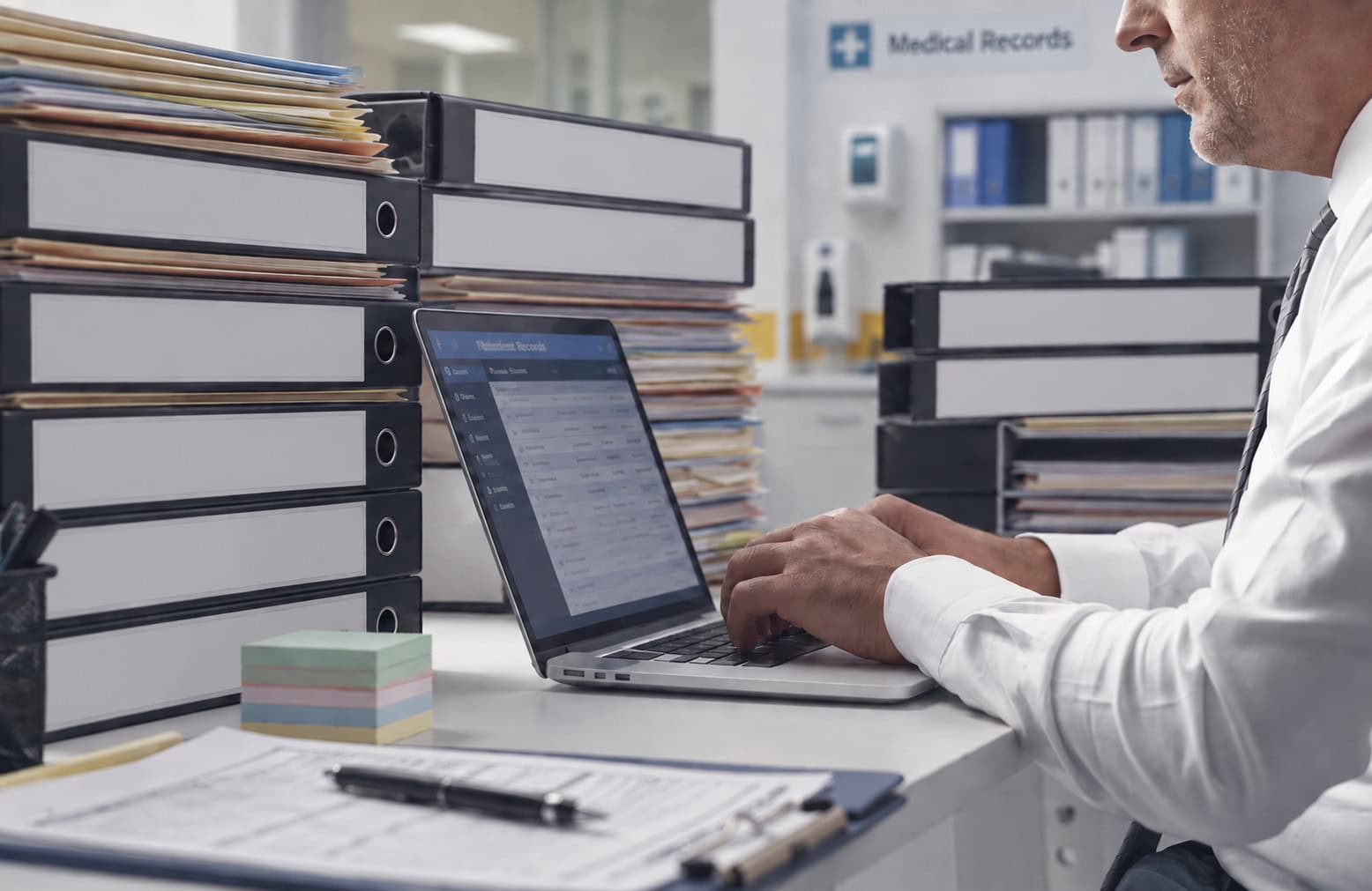
If you’re like most facilities, you have rolls of drawings and binders full of operation and maintenance data stored primarily in hard copy. Imagine the legacy you would leave by having all the information that is current and relevant digitized and easily searchable. Younger generations–those who will eventually follow in your footsteps–are accustomed to finding information on a computer, tablet, or cell phone. You can set up your facility and teams for future success by providing quick and easy access to troubleshooting guides and parts lists for all of the equipment operating in your facility.
Be a Leader
As a facility manager, you have the opportunity to lead by example. Show your staff and colleagues that you are committed to making a difference. Take an active role in shaping the direction of your organization, and be an advocate for the changes you believe in. By being a leader, you can inspire others to follow your lead and make a positive impact on your facility and beyond.