

How digital binders simplify audits, improve document control, and reduce time spent managing compliance records
Compliance documentation is essential, but managing it properly should not overly consume valuable time.
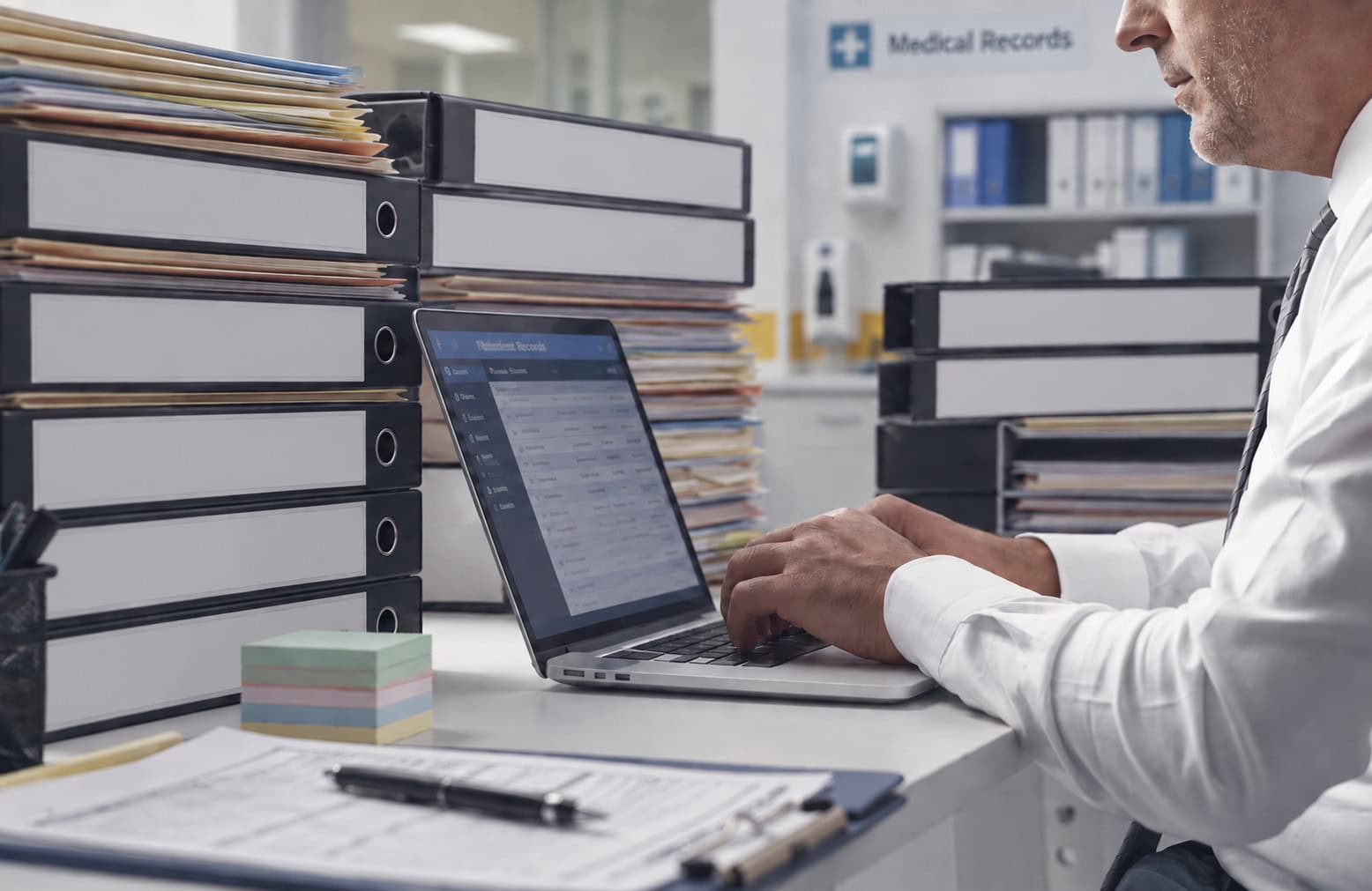
For years, paper binders have been the industry standard. And while paper systems may feel familiar, they often require employees to spend unnecessary time searching for documents, replacing outdated pages, making copies, and preparing records for audits.
Digital compliance binders provide a faster, more organized, and more reliable alternative.
The biggest benefit: time saved
Consider what happens when someone needs an inspection report stored at another facility. With paper, the request may involve a phone call, a search through tabs, a scan, and an email. If the first copy is outdated, the search starts again.
In a well-organized digital system, that employee can search by location, date, category, or document type and retrieve the approved record directly. The same system can make it easier to file new reports, flag missing documentation, and see which certifications or inspections are approaching renewal.
Saving a few minutes on one request may seem minor. Repeat that across routine inspections, policy updates, audits, and multiple facilities, and the administrative burden becomes much easier to see. Of course, the actual time saved will depend on how consistently records are named, filed, and maintained.
Keep records ready throughout the year
Digital binders can help teams move from a rush to assemble documentation before a survey to a routine of keeping it current. Inspection reports can be filed when work is completed. Policies can have a designated owner and review date. Missing approvals can be spotted while there is still time to resolve them.
That matters as survey processes evolve. The Joint Commission replaced its Survey Activity Guides with Survey Process Guides for hospital and critical access hospital accreditation programs on January 1, 2026. Teams should use the guide applicable to their organization to understand what documentation may be requested and how to make it readily available.
A digital binder cannot make an incomplete record complete. It can, however, make gaps more visible before someone asks to see the evidence.
Make the current version easier to trust
A paper policy can remain in circulation long after a revised version has been approved. Digital document control can give employees one place to access the current version while retaining prior versions where appropriate.
The same approach can improve consistency across locations. Shared templates and naming rules help each facility file comparable records in a comparable way. Assigned owners, due dates and approval histories clarify who is responsible for keeping them current.
Those benefits require more than uploading PDFs to a shared drive. A useful digital binder needs a clear folder structure, access permissions, backup procedures and someone accountable for maintaining it. Otherwise, the search through physical binders simply becomes a search through poorly named files.
Keep paper where it serves a purpose
Digital does not have to mean paperless. Posted notices, evacuation maps, emergency instructions, and quick-reference materials may still need to be available in print. Document format and retention decisions should follow applicable requirements and the organization’s policies; The Joint Commission advises organizations to determine retention requirements for records outside the permanent medical record with legal and risk management leadership.
The goal is to put information where people can reliably use it. A digital system can serve as the controlled source for compliance records, while essential printed materials remain accessible at the point of need.
Start with the documents people ask for most
A practical first step is to identify the records that take the most time to find: inspection reports, permits, training documentation, policies, or evidence spread across several facilities. Establish a consistent way to name and file them, assign an owner, and test how quickly someone unfamiliar with the folder structure can retrieve a requested record.
That test gets to the real value of a digital compliance binder. It is more than a cleaner filing system. It gives facilities teams a clearer view of what is current, what is missing and what needs attention—while giving them more time to do the work that keeps the hospital ready.
Want to make this approach easier to put into practice? Optix Scout helps healthcare facilities teams organize compliance documentation, assign tasks, and see what needs attention from one dashboard. It can also help teams retrieve inspection and test records when those records are requested—so less time goes into searching, and more time goes into staying ready.