

Every hospital depends on a high-performing Plant Operations team to create an environment where patients can be treated safely and caregivers can do their jobs without interruption.
Patients may never meet the technicians maintaining air handlers, inspecting fire doors, testing generators, or repairing medical gas systems—but every one of those tasks directly impacts patient safety, regulatory compliance, and operational reliability.
The strongest departments don’t simply maintain buildings.
They build teams capable of sustaining excellence every single day.
Compliance Starts with People
It’s easy to think of compliance as documentation, inspections, and surveys. In reality, compliance begins with people.
Every preventive maintenance task completed on time…
Every ceiling tile replaced correctly…
Every fire door adjusted…
Every utility inspection documented…
Those small decisions determine whether your organization is truly prepared when surveyors arrive.
Ask yourself:
- Does every technician understand why their work matters, or only what they’re assigned to do?
- Can your newest employee explain how today’s work supports patient safety?
- Does your team take ownership of compliance, or is it viewed as management’s responsibility?
The best departments make compliance part of their culture—not something everyone scrambles to address a month before survey.
Hire for Attitude. Develop for Skill.
Technical ability matters.
But great Plant Operations teams are built from people who are curious, dependable, accountable, and eager to learn.
Many technical skills can be taught.
Ownership cannot.
When interviewing candidates, look beyond certifications. Ask questions like:
- Tell me about a time you found a problem nobody else noticed.
- Describe a situation where you made a mistake. How did you handle it?
- What’s something you’ve taught yourself recently?
Those answers often reveal more about future performance than a resume.
Your CMMS Should Tell the Story of Your Department
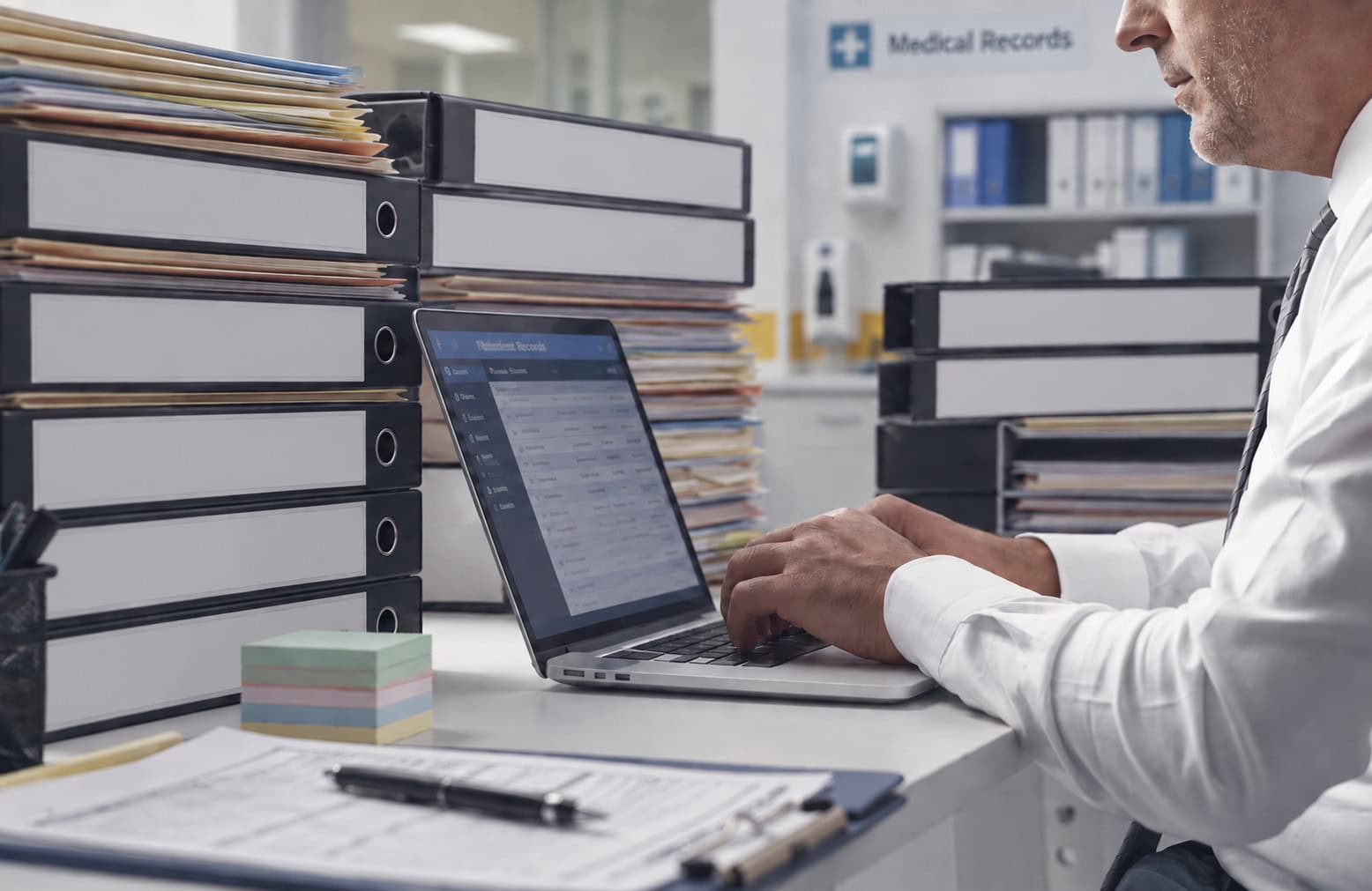
A CMMS (Computerized Maintenance Management System) is much more than a work order system—it’s one of your department’s most valuable management tools.
When used consistently, it helps you:
- Schedule and document preventive maintenance
- Track corrective maintenance and repairs
- Maintain equipment histories
- Manage life safety inspections and testing
- Monitor compliance performance
- Produce documentation quickly during surveys
Just as importantly, your CMMS should track the labor time associated with every work order.
Without accurate labor data, it’s difficult to justify additional staffing. Recording the time spent on preventive maintenance, inspections, repairs, and corrective work provides objective data to identify workload, pinpoint staffing bottlenecks, and support requests for additional FTEs.
That same data also reinforces the value of continuous compliance. Rather than relying on overtime and last-minute preparation before a survey, leaders can demonstrate that maintaining the right staffing levels year-round is a more efficient—and often less expensive—approach.
A good CMMS doesn’t just document the work your team performs—it helps prove the resources required to do it well.
Make Training Part of the Weekly Routine
Too often, training only happens when someone attends a conference or when survey season approaches.
The strongest departments treat learning as part of the weekly schedule.
Even fifteen minutes each week can reinforce critical topics like:
- Fire door inspections
- Smoke barrier integrity
- Utility management
- Emergency power testing
- Medical gas systems
- Documentation expectations
- Changes to CMS, NFPA, or Joint Commission standards
Cross-training deserves equal attention.
If one technician is on vacation tomorrow, can someone else confidently perform their critical responsibilities?
If the answer is no, you’ve identified your next training opportunity.
Build Leaders at Every Level
Great departments don’t rely on one knowledgeable director.
They develop technicians who think like leaders.
Encourage your team to:
- Identify problems before they’re reported.
- Bring solutions—not just issues.
- Mentor newer employees.
- Take ownership of assigned areas.
- Ask “What could go wrong here?” instead of waiting for something to fail.
When everyone feels responsible for the department’s success, accountability becomes part of the culture instead of something management has to enforce.
Use Your Data Before Surveyors Do
Most hospitals already collect enormous amounts of maintenance data.
The question is whether anyone is using it.
Review your CMMS regularly for trends such as:
- Overdue preventive maintenance
- Repeat equipment failures
- Frequently deferred work orders
- Aging corrective maintenance requests
- High-risk assets requiring repeated repairs
- Documentation gaps
These trends often identify vulnerabilities long before surveyors—or equipment failures—do.
Good leaders don’t simply react to data.
They use it to guide staffing decisions, training priorities, and capital planning.
Final Thoughts
Building a great Plant Operations team isn’t just about maintaining equipment.
It’s about creating a culture where every technician understands that their work protects patients, supports caregivers, and strengthens the hospital’s ability to deliver exceptional care.
When you invest in hiring the right people, training them continuously, using your CMMS strategically, and building accountability into everyday operations, survey readiness becomes less about preparing for an inspection—and more about simply demonstrating how your team already works.
The goal isn’t to be ready for survey day.
The goal is to build a team that’s ready every day.
Thank you for everything you do to keep your hospital safe, reliable, and compliant.
Stay safe,
Vince Sealey
Compliance Service Products Manager