
Firestopping and Barrier Integrity: What’s at Stake—and How to Protect It (WITH VIDEO)

It’s easy to think of fire barriers as static parts of the building—drywall, shafts, above-ceiling space. But when it comes to life safety, these passive systems do some of the most critical work: they buy time. When a fire breaks out, compartmentalization matters. Smoke and flame need to be slowed, redirected, and contained. And that’s…

Written by

account-circle-fill
mike king

Published on

BlogFacility Management, Healthcare Compliance

It’s easy to think of fire barriers as static parts of the building—drywall, shafts, above-ceiling space. But when it comes to life safety, these passive systems do some of the most critical work: they buy time.

When a fire breaks out, compartmentalization matters. Smoke and flame need to be slowed, redirected, and contained. And that’s exactly what fire-rated barriers are designed to do.

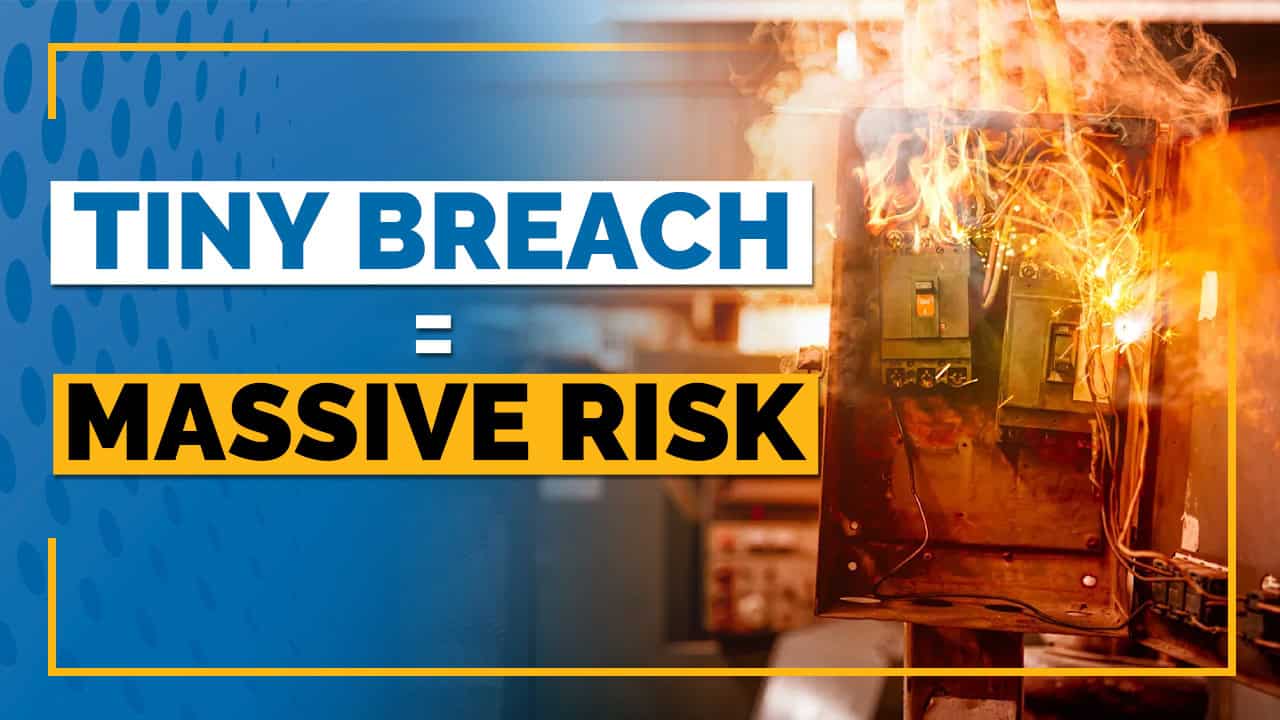
But here’s the problem: if even one part of that wall or ceiling is breached—by a cable, a pipe, or a missing ceiling tile—that protection is gone.

In our latest video, we break down:

  • How everyday maintenance work can compromise your barriers
  • Why above-ceiling areas are the most overlooked risk zone
  • What good firestop documentation looks like
  • How to build a culture where every team member and vendor treats barriers with respect

If you’re responsible for facility safety, EOC rounds, or contractor oversight, this video is a must-watch. Because this isn’t just about inspections or code citations—it’s about real protection for real people.

Watch now:

More From The Optix Blog

The Power of Weekly Hospital Grounds Rounding: Strengthening Safety, Service, and Operational Excellence 

In today’s fast‑paced healthcare environment, patient care doesn’t start at the bedside—it begins the moment someone enters the hospital campus. For the Plant Operations Department, weekly hospital grounds rounding is more than a routine walkthrough; it is a proactive strategy that protects safety, enhances the patient and visitor experience, and strengthens operational reliability across the organization.  Below,…
Read More

A Smarter Approach to EOC Rounds (WITH VIDEO)

Environment of Care (EOC) rounds can be deceptive. You walk the unit. You notice issues. You fix what you can. So by the end of it, you feel productive. You feel like things are all under control. Until someone asks for proof. And then, it all falls apart. Because in a survey, simply saying “we…
Read More

Joint Commission’s Two-Speed Built Environment 

What Facilities Leaders Need to Know in 2026  As 2026 unfolds, facilities leaders across health systems are operating in a strange in-between world. The Joint Commission’s built environment standards are no longer uniform across care settings. Hospitals and Critical Access Hospitals are now surveyed under the new Physical Environment (PE) chapter, while ambulatory care and behavioral health sites continue…
Read More