

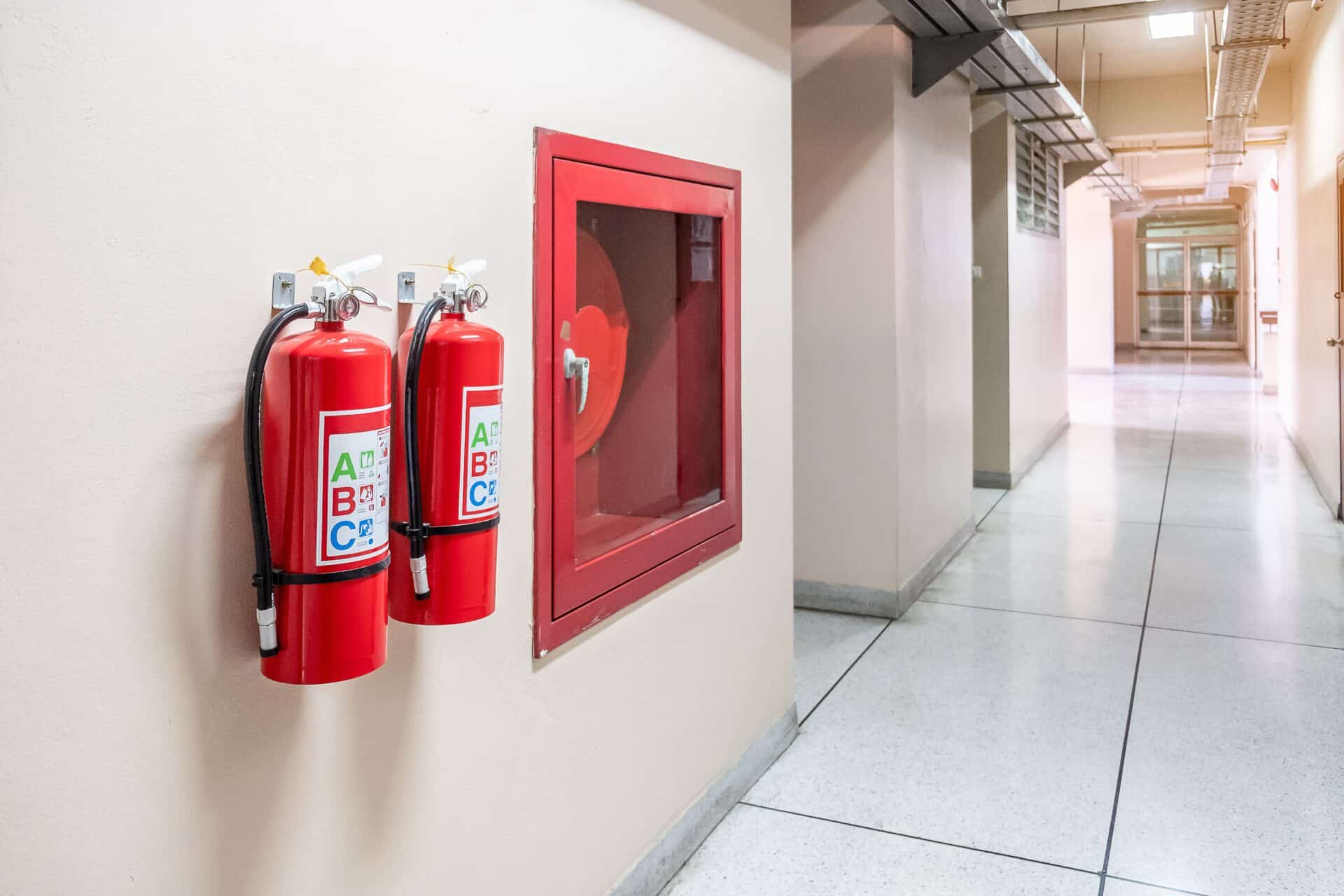
Fire extinguishers are one of the most visible—and most regulated—life safety tools in any facility. While most organizations understand the importance of having extinguishers on site, compliance doesn’t stop at installation. Proper inspection, maintenance, and documentation are critical to meeting code requirements and protecting your people and property.
Why Fire Extinguisher Compliance Matters
Fire extinguisher regulations are designed to ensure equipment will work when it’s needed most. Non‑compliance can lead to:
- Increased risk during a fire emergency
- Failed safety inspections or audits
- Citations, fines, or insurance complications
- Liability exposure after an incident
Staying compliant isn’t just about avoiding penalties—it’s about readiness and responsibility.
Inspection & Maintenance Requirements
Most fire codes and workplace safety standards require extinguishers to be:
- Visually inspected monthly to confirm they are accessible, fully charged, and undamaged
- Professionally inspected annually by a qualified technician
- Maintained and tested at required intervals (including hydrostatic testing when applicable)
Missing even one of these steps can put your facility out of compliance.
The Importance of Documentation
Documentation is just as important as the inspection itself. Inspectors and auditors often focus on records first. You should be able to quickly produce:
- Monthly inspection logs
- Annual service reports
- Maintenance and repair records
- Documentation showing correct extinguisher type and placement
Incomplete, missing, or outdated records are a common reason organizations fail inspections—even when equipment appears to be in good condition.
Best Practices for Staying Compliant
To keep compliance simple and stress‑free:
- Assign responsibility for 12 monthly visual checks
- Use standardized inspection tags or digital tracking tools
- Store records in a central, easily accessible location
- Partner with a licensed fire protection provider for annual service
- Schedule inspections in advance to avoid lapses
Consistency is key. A proactive approach helps prevent last‑minute scrambles before inspections or audits.
A Final Reminder
Fire extinguisher compliance isn’t a one‑time task—it’s an ongoing process. Regular inspections, accurate documentation, and timely maintenance work together to keep your facility safe and inspection‑ready year‑round.
If you have questions about your current compliance status or need assistance reviewing your documentation, now is the perfect time to take action.
Stay safe,
Vince Sealey CHFM HACP-PE